Tel: +86-27-59323486 E-mail: info@cs-vehicle.com
- All
- Product Name
- Product Keyword
- Product Model
- Product Summary
- Product Description
- Multi Field Search

Views: 0 Author: Site Editor Publish Time: 2026-02-13 Origin: Site


Large construction projects, infrastructure development, and mining operations rely heavily on reliable transport equipment. Among these machines, dump trucks play a central role in moving soil, sand, stone, and construction materials efficiently. For buyers planning to purchase heavy-duty vehicles, understanding the new dump truck price is often the first step toward building a realistic procurement plan. However, the final cost of a dump truck is not determined by a single factor. Configuration, drivetrain layout, engine power, body structure, and transport conditions all contribute to the overall investment. This article explains how the price of a dump truck is formed and how buyers can estimate their budget based on real operational needs.
Understanding the structure behind a truck quotation helps buyers avoid confusion when comparing offers. A dump truck price usually includes several layers of components and services rather than only the chassis itself.
A dump truck quotation normally begins with the base vehicle price. This includes the truck chassis, engine system, transmission, axles, and the dump body installed on the frame. However, the exact equipment included in the base price may vary depending on configuration.
Some trucks are offered with upgraded cargo box materials, reinforced frames, stronger hydraulic lifting systems, or enhanced safety systems. These differences can lead to noticeable variations in pricing even when trucks appear similar at first glance.
For example, a truck designed for mining operations may use thicker steel plates for the cargo box and stronger hydraulic cylinders. These design features increase durability but also increase the purchase price.
When trucks are purchased internationally, logistics arrangements influence the total cost. Shipping heavy equipment across continents requires careful planning and coordination. Ocean freight, inland transport, export documentation, and port handling fees can all become part of the final budget.
A clear understanding of delivery terms helps buyers estimate the full financial scope of a purchase. Some customers prefer to receive trucks ready for shipment at the port, while others require full delivery arrangements to their destination country. The difference in transport responsibilities directly affects the overall purchasing cost.
For international customers working with CHUSHENG VEHICLE, export experience and logistics coordination help ensure trucks reach project sites efficiently and safely.
One of the most common misunderstandings in truck procurement comes from mixing different product characteristics together. Buyers sometimes compare drivetrain configurations, vehicle brands, and technical specifications as if they belong to the same category. In reality, these represent different dimensions of truck design.
The drivetrain layout refers to how many wheels the truck has and how many of those wheels receive driving power from the engine. Typical configurations include 4x2, 6x4, and 8x4 dump trucks.
Each layout serves different operational conditions. A 4x2 configuration is suitable for lighter transport tasks and urban construction work. A 6x4 configuration provides improved traction and higher load capacity, making it one of the most widely used options in construction and earth-moving projects. An 8x4 configuration supports heavier payloads and demanding work environments such as mining operations.
The drivetrain layout influences vehicle structure, axle design, suspension strength, and tire quantity, which explains why trucks with more axles typically cost more.
Truck brands such as HOWO or SHACMAN represent complete vehicle platforms developed by major commercial vehicle manufacturers. Each brand has its own engineering philosophy, component ecosystem, and reliability track record.
For example, trucks based on the HOWO platform are widely used in international markets because of their durable powertrain systems and stable supply of spare parts. SHACMAN F3000 series trucks are also known for their strong chassis structure and excellent load-carrying capability.
These platforms provide the structural foundation of the vehicle, but they are independent from the drivetrain layout. Both 6x4 and 8x4 trucks can exist within the same brand platform.
Even within the same brand and drivetrain configuration, trucks can vary significantly in price due to specification differences. Engine horsepower, transmission type, axle load rating, cargo box structure, and cabin features all influence the final cost.
Understanding these specification levels helps buyers make better decisions. Instead of focusing only on a single number in a quotation, evaluating the full technical configuration provides a clearer picture of long-term value.
The technical specifications of a dump truck determine not only its price but also its performance, durability, and operational efficiency. Several key components have the greatest impact on the final cost.
The engine is the heart of any dump truck. Engine power determines how effectively the vehicle can move heavy loads across construction sites or mountainous terrain. Higher horsepower engines provide stronger performance but also increase production cost.
Emission standards also influence engine design. Trucks exported to different regions must comply with local environmental regulations. Meeting higher emission standards requires advanced engine technology, which contributes to a higher purchase price.
The transmission system transfers engine power to the wheels. For heavy-duty dump trucks, manual transmissions with high torque capacity remain common due to their durability and mechanical efficiency.
The strength of the driveline components must match the truck's payload capability. Trucks designed for heavy material transport require reinforced gear systems and stronger drive shafts. These engineering features ensure reliability but also increase manufacturing cost.
Axles carry the majority of the truck’s weight, making them critical to both safety and durability. High-capacity axles allow trucks to carry larger payloads without structural damage.
Suspension systems also influence performance. Reinforced suspension improves stability when transporting heavy materials on uneven terrain. Trucks with higher axle ratings and stronger suspension components usually command higher prices due to the additional engineering involved.
The cargo box is the working component of a dump truck. Its size, shape, and material thickness directly affect durability and loading capacity.
A dump body designed for transporting sand may require different steel thickness compared with a truck used for moving large rocks in quarry operations. Thicker steel plates provide better wear resistance but increase vehicle weight and cost.
Below is a simplified comparison of typical cargo box configurations.
Application Type | Bottom Plate Thickness | Side Plate Thickness | Typical Use |
Urban construction | 6 mm | 4 mm | Sand and soil |
Infrastructure projects | 8 mm | 6 mm | Mixed construction materials |
Mining operations | 10–12 mm | 8–10 mm | Heavy rocks and ores |
Choosing the correct cargo box structure ensures long service life and reduces maintenance costs.
The hydraulic lifting system powers the dumping operation. Strong hydraulic cylinders allow the truck to unload materials smoothly and safely.
Reliable lifting systems reduce cycle time during material transport operations. Faster unloading improves work efficiency and productivity at construction sites.
High-quality hydraulic components increase the initial purchase price but contribute to stable performance throughout the truck’s service life.
Tires represent another important cost factor in dump truck production. Heavy-duty trucks require specialized tires capable of carrying large loads while operating on rough surfaces.
Braking systems must also be designed for heavy payload conditions. Reinforced brake components improve safety when trucks travel downhill or operate in mountainous regions.
Safety equipment such as reversing cameras, stability systems, and improved lighting can further enhance operational security.
While the main function of a dump truck is material transport, driver comfort should not be overlooked. Trucks often operate for long hours in demanding environments.
Modern truck cabins may include air conditioning systems, ergonomic seating, and enhanced dashboard controls. These features help reduce driver fatigue and improve operational efficiency.
Although comfort features slightly increase vehicle cost, they can significantly improve driver satisfaction and productivity during long working hours.
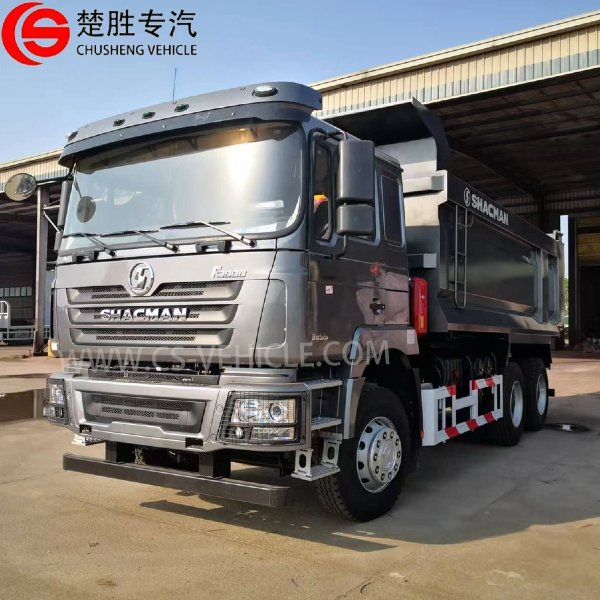
The decision between a 6x4 and an 8x4 dump truck should be based on the operational environment rather than only price considerations.
A 6x4 dump truck provides an effective balance between payload capacity and operating cost. These trucks are widely used in general construction projects and medium-scale earthmoving tasks.
The configuration offers sufficient traction for most job sites while maintaining reasonable fuel consumption. Many infrastructure contractors prefer 6x4 trucks because they combine strong performance with efficient operating costs.
An 8x4 dump truck is designed for heavier transport demands. The additional axle allows the truck to carry larger loads and distribute weight more effectively.
Mining operations, large-scale infrastructure projects, and long-distance material transport often benefit from this configuration. Although 8x4 trucks require a higher initial investment, their increased payload capacity can improve transportation efficiency over time.
The purchase price of a truck represents only one part of the total investment. Several additional factors should be considered when planning a procurement budget.
Reliable spare parts supply is essential for maintaining truck performance. Filters, brake pads, and other consumable components should be available to ensure continuous operation.
Preparing a basic spare parts package at the time of purchase can reduce downtime during the early years of operation.
International shipments require proper documentation and inspection procedures. Export certificates, technical documentation, and quality inspection reports ensure smooth customs clearance and legal compliance.
Experienced manufacturers provide complete documentation packages to simplify this process.
Transporting heavy trucks across international shipping routes requires specialized logistics planning. Ocean freight, port handling, and inland transportation costs should all be considered during budget planning.
CHUSHENG VEHICLE has extensive export experience and has successfully delivered special vehicles to more than sixty countries worldwide. This experience helps ensure efficient and reliable transportation for international buyers.
Building a realistic truck procurement budget becomes easier when buyers follow a structured planning process.
Start by evaluating the operational environment. Consider the weight of materials to be transported, road conditions, and daily transport distance.
Based on project requirements, determine whether a 6x4 or 8x4 configuration is appropriate. This decision influences both purchase price and operating efficiency.
Engine power, axle rating, cargo box structure, and hydraulic system design should be selected according to operational demands.
Request detailed quotations that clearly list all major components. Comparing full technical specifications provides a more accurate understanding of value than comparing price alone.
The table below summarizes the main factors affecting dump truck price.
Key Factor | Why It Matters |
Drivetrain configuration | Determines load capacity and traction |
Engine power | Influences performance and fuel efficiency |
Axle strength | Supports payload and structural durability |
Cargo box structure | Affects wear resistance and lifespan |
Hydraulic system | Controls unloading efficiency |
Tires and braking | Ensures operational safety |
Understanding the structure behind a dump truck purchase helps buyers make informed decisions that align with project needs and long-term operational efficiency. Engine specifications, drivetrain configuration, cargo box structure, and hydraulic systems all contribute to the final investment required for heavy transport equipment. Working with an experienced manufacturer ensures that trucks are designed to match real jobsite conditions while maintaining reliability and durability. Businesses planning infrastructure, mining, or construction projects can evaluate their equipment requirements more accurately by analyzing the 6x4 dump truck cost structure rather than focusing only on the initial purchase price. For detailed specifications or customized solutions for your next project, contact CHUSHENG VEHICLE to learn more about available dump truck models and export options.
The most important factors include drivetrain configuration, engine horsepower, axle load capacity, cargo box design, and hydraulic lifting system. These components determine the truck’s overall performance and durability.
An 8x4 configuration includes an additional axle, stronger frame structure, and higher load capacity. These engineering requirements increase manufacturing cost and overall vehicle price.
Cargo box thickness, steel quality, and size determine durability and wear resistance. Trucks designed for heavy mining operations require thicker plates and stronger structures, which increase cost.
Yes. CHUSHENG VEHICLE has more than 20 years of manufacturing experience and exports special vehicles to over 60 countries. Our dump trucks are widely used in construction, mining, and infrastructure projects around the world.


