Tel: +86-27-59323486 E-mail: info@cs-vehicle.com
- All
- Product Name
- Product Keyword
- Product Model
- Product Summary
- Product Description
- Multi Field Search

Views: 358 Author: Site Editor Publish Time: 2026-06-10 Origin: Site


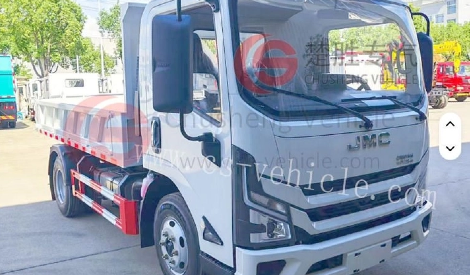
For small business owners, shop managers, and entrepreneurs, efficient delivery is crucial to operational success. The rise of e-commerce, local retail, and on-demand services has increased the need for flexible, reliable, and cost-effective transport solutions. Among the options available, light cargo trucks stand out as a versatile solution tailored for small business and shop delivery needs. They combine maneuverability, fuel efficiency, and sufficient payload capacity to meet the demands of urban and suburban logistics.
Light cargo trucks bridge the gap between motorcycles, vans, and medium-duty trucks. They are capable of transporting bulkier items than vans while maintaining ease of operation in city traffic. These trucks are especially important for small businesses dealing with frequent deliveries, tight schedules, and limited operational budgets. Understanding the factors that make a light cargo truck perfect for small-scale logistics can help business owners select vehicles that maximize efficiency, reduce costs, and ensure customer satisfaction.
This guide explores the features, design considerations, operational advantages, and maintenance practices that make light cargo trucks ideal for small businesses and shop deliveries. It also highlights how partnering with CHUSHENG VEHICLE GROUP CO.,LTD. provides access to high-quality trucks designed for reliability, versatility, and long-term operational efficiency.
Light cargo trucks typically have a gross vehicle weight (GVW) ranging from 3 to 7 tons, offering a balance between payload and maneuverability. This capacity allows small businesses to transport sufficient goods in a single trip without the bulk or high operating costs associated with medium-duty trucks.
These trucks feature fuel-efficient engines that provide sufficient power for urban and suburban deliveries. Engine options often range from 100 to 200 horsepower, ensuring reliable performance while minimizing fuel consumption. Many models offer diesel or hybrid powertrains to optimize operational cost-effectiveness and environmental impact.
Light cargo trucks can handle a variety of goods, including:
Retail inventory for shops and convenience stores
Perishable food items with optional refrigeration units
Furniture and small appliances
Equipment and parts for service-based businesses
The adaptability of light cargo trucks makes them suitable for multi-purpose delivery operations.
One of the standout advantages of light cargo trucks is their compact size, which allows them to navigate narrow streets, tight alleys, and congested urban areas. This feature is critical for shops and small businesses operating in dense commercial districts where larger trucks cannot access efficiently.
Modern light cargo trucks feature advanced steering systems and shock-absorbing suspension, improving handling in urban environments. Smooth handling reduces driver fatigue, allows precise parking, and minimizes the risk of minor accidents in crowded streets.
Light trucks are optimized for fuel efficiency during frequent stops, which is common in urban deliveries. Smaller engines combined with lightweight construction reduce fuel consumption and operational costs compared to larger vehicles.
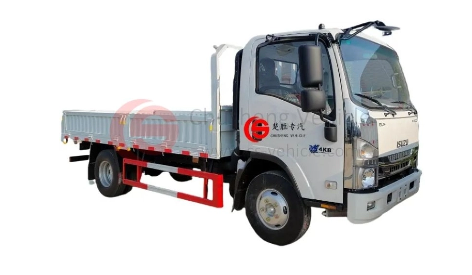
Light cargo trucks often come with flatbeds, enclosed boxes, or refrigerated compartments, depending on business needs. Box trucks are ideal for dry goods, while refrigerated models are necessary for food delivery. Flatbeds allow oversized items to be transported efficiently.
Design features such as low bed height, wide rear doors, and foldable ramps facilitate fast loading and unloading. Efficient cargo handling reduces turnaround times, allowing drivers to complete more deliveries per day, which directly improves business efficiency.
Many light cargo trucks include locking doors, alarm systems, and reinforced compartments to protect goods during transit. This is especially important for valuable merchandise, ensuring that products reach customers intact.
Compared to medium and heavy-duty trucks, light cargo trucks have lower acquisition costs. Maintenance is simpler and less expensive due to smaller engines, lighter suspension components, and standardized parts. This makes them highly suitable for small businesses with limited budgets.
Light cargo trucks consume less fuel per kilometer, making them ideal for frequent local deliveries. Hybrid or fuel-efficient diesel models further reduce operating costs, contributing to higher profitability for small businesses.
In many regions, light cargo trucks are easier and cheaper to insure and may require less stringent licensing compared to heavier trucks. These factors reduce administrative and operational overhead for small business owners.
Modern light cargo trucks include advanced braking and stability technologies to ensure safe operation, even when fully loaded. Anti-lock braking systems (ABS) prevent wheel lock-up on slippery surfaces, while electronic stability control (ESC) helps maintain directional stability during sharp turns or sudden maneuvers. Load-sensitive braking adjusts brake force according to cargo weight, protecting both goods and the vehicle. These systems reduce accidents, prevent cargo damage, and help maintain timely deliveries.
Driver assistance features enhance both safety and efficiency. Rear-view cameras and parking sensors help operators navigate tight spaces and blind spots, while ergonomic cabin designs reduce driver fatigue during long trips. Adjustable seats, intuitive dashboards, and climate control support focused and accurate driving, enabling timely deliveries with fewer errors.
Load monitoring sensors track cargo weight and distribution, alerting operators to overloads or uneven loads. Maintaining proper load limits protects vehicle components, prevents tipping, and reduces wear on brakes and suspension. Some systems integrate with fleet management software, providing insights for maintenance and logistics planning. This ensures safer cargo transport, reduces operational risks, and improves overall delivery efficiency.
For businesses operating internationally or importing trucks from manufacturers like Xiamen Justsun, it is essential to comply with regulations relevant to target markets, including South America, Southeast Asia, Africa, and the Middle East. Compliance may involve emissions standards, vehicle dimensions, and payload limits, ensuring that trucks can operate legally and safely in each region.
Light trucks used for perishable goods or pharmaceuticals may require optional refrigeration units and insulated compartments. Ensuring compliance with local temperature control and hygiene standards maintains product quality and meets customer expectations.
Regular maintenance is crucial for prolonging the lifespan of light cargo trucks. Key maintenance practices include:
Checking engine oil, coolant, and hydraulic fluids
Inspecting tires and brakes
Lubricating moving components
Monitoring refrigeration units, if applicable
Implementing preventive maintenance schedules reduces the likelihood of breakdowns, minimizes downtime, and ensures consistent delivery schedules. Preventive care includes monitoring engine performance, suspension wear, and electrical systems.
Training drivers on safe handling, proper loading, and efficient route management ensures that trucks are operated within specifications, preventing premature wear and maximizing operational life.
Integrated GPS and telematics systems allow operators to track vehicle location, optimize delivery routes, and monitor performance metrics. Real-time data improves delivery efficiency and provides insights into operational trends.
For food, beverages, or medical deliveries, temperature sensors and data loggers ensure that cargo remains within safe parameters. Automated alerts prevent spoilage and maintain regulatory compliance.
Modern systems provide feedback on fuel consumption, driving patterns, and idling times, helping businesses reduce operating costs and improve sustainability.
Light cargo trucks offer small businesses a perfect balance of maneuverability, payload capacity, fuel efficiency, and operational reliability. Their design supports urban delivery, frequent stops, and versatile cargo handling, making them ideal for shops, retailers, and service businesses. Features such as enhanced safety systems, telematics, and optional refrigeration increase efficiency, protect goods, and ensure timely deliveries.
For small business owners seeking reliable and versatile light cargo trucks, CHUSHENG VEHICLE GROUP CO.,LTD. provides high-quality vehicles engineered for efficiency, durability, and adaptability across global markets. Partnering with an experienced manufacturer ensures that businesses gain vehicles optimized for productivity, compliance, and long-term reliability.
Q: Why are light cargo trucks ideal for small business deliveries?
A: They combine maneuverability, payload flexibility, and fuel efficiency, making frequent urban deliveries easier and cost-effective.
Q: How do refrigerated light trucks improve perishable goods delivery?
A: Refrigeration units maintain safe temperatures, ensuring food and medicine remain fresh and compliant during transit.
Q: What safety features should small business operators look for?
A: ABS, electronic stability control, rear cameras, and load monitoring systems improve safety and reduce delivery risks.
Q: How does maintenance impact the efficiency of light cargo trucks?
A: Regular maintenance ensures reliability, prevents breakdowns, prolongs truck life, and maintains consistent delivery schedules.

