Tel: +86-27-59323486 E-mail: info@cs-vehicle.com
- All
- Product Name
- Product Keyword
- Product Model
- Product Summary
- Product Description
- Multi Field Search

Views: 226 Author: Site Editor Publish Time: 2026-06-01 Origin: Site


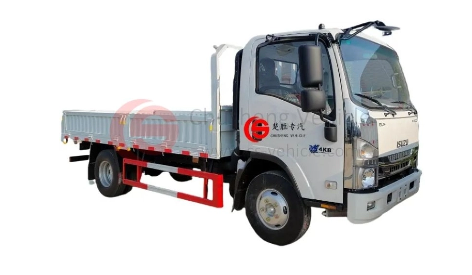
Agriculture remains one of the most critical sectors globally, and efficient transportation of agricultural products is essential to maintain freshness, reduce losses, and support rural economies. From transporting fruits and vegetables to livestock and bulk produce, farmers and agribusinesses rely heavily on reliable vehicles to move goods from farms to markets or processing facilities. Among the various vehicle types used, fence cargo trucks have emerged as a practical and versatile solution for agricultural transport.
Fence cargo trucks are distinguished by their open-top or partially enclosed cargo beds, reinforced with high side fences, allowing for secure transport of produce, livestock, and bulky agricultural materials. These vehicles balance capacity, safety, and maneuverability, making them especially suitable for small to medium-scale farming operations. They can navigate rural roads, uneven terrain, and urban delivery routes, providing flexibility that larger, fully enclosed trucks may lack.
This guide explores the essential features, design considerations, operational advantages, and maintenance practices that make light cargo trucks ideal for small business and shop deliveries. It also introduces how working with an experienced manufacturer such as CHUSHENG VEHICLE GROUP CO., LTD. enables businesses to access professionally engineered light cargo truck solutions designed for durability, adaptability, and long-term operational value.
Fence cargo trucks feature cargo beds with vertical or horizontal side rails or fences, designed to secure goods without fully enclosing them. The fences prevent materials from spilling during transit while allowing adequate airflow for perishable agricultural products. Key design features include:
Durable steel or aluminum frames to withstand heavy agricultural loads
High, reinforced fences to secure livestock or bulky produce
Flexible loading and unloading access through side gates or rear drop-down doors
These trucks often come in light to medium-duty configurations, suitable for farms, cooperatives, and small logistics operators.
Fence cargo trucks are widely used in agriculture for transporting:
Fresh fruits and vegetables
Livestock such as goats, sheep, and poultry
Bulk crops like corn, wheat, or hay
Farm inputs, including fertilizers, feed, and equipment
Their open design accommodates irregularly shaped cargo, bulky items, and products that benefit from ventilation.
One of the primary advantages of fence cargo trucks is their versatility. The open yet secure cargo bed can transport a wide range of agricultural goods. Farmers can carry produce, livestock, or equipment using the same truck, reducing the need for specialized vehicles and improving fleet utilization.
Fence cargo trucks are typically lighter and more compact than large rigid trucks, allowing them to navigate narrow rural roads, unpaved farm tracks, and urban streets with ease. This maneuverability is especially valuable for small to medium farms or markets located in densely populated areas.
Compared to fully enclosed trucks, fence cargo trucks have lower purchase and maintenance costs. The simpler design reduces material costs and makes repairs easier. Additionally, the lighter vehicle weight improves fuel efficiency, lowering operational expenses for small business owners and cooperatives.
Fence cargo trucks feature reinforced side and rear fences that securely contain cargo, greatly reducing spillage during transit. Loose or heavy items, such as sacks of grains, fertilizers, or harvested crops, remain stable, minimizing accidental falls and enhancing road safety.
These fences are also effective for fragile or irregularly shaped goods like baskets of vegetables, crates of fruits, or small livestock feed bags. By reducing the risk of spillage, farmers and distributors retain more products, lowering losses and increasing profitability. Fewer cargo accidents also mean reduced insurance claims and a stronger reputation for logistics operators.
Proper airflow is crucial for transporting perishable goods. Fence cargo trucks allow natural ventilation around the cargo, benefiting fresh fruits, vegetables, flowers, and other temperature-sensitive items. The open or slatted fence design prevents heat buildup and moisture accumulation, which can accelerate spoilage.
Enhanced ventilation is particularly valuable for longer journeys, maintaining freshness from rural farms to urban markets. It also helps prevent condensation inside the cargo area, reducing the risk of damaged packaging or mold growth and ensuring food safety.
Transporting live animals requires both security and comfort. Fence cargo trucks prevent livestock from jumping or falling off while allowing proper airflow to reduce stress. Smooth suspension systems absorb road shocks, minimizing injuries and behavioral stress for cattle, sheep, pigs, or poultry.
Additional features such as non-slip flooring and partitioned compartments further improve animal welfare, making these trucks suitable for both short and long-distance trips to markets or processing facilities.
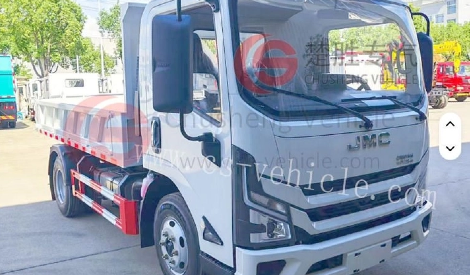
Operational efficiency is a key advantage of fence cargo trucks in agricultural logistics. The open cargo bed, combined with side gates or drop-down panels, facilitates rapid loading and unloading of goods. Workers can quickly place crates, sacks, or baskets into the truck without needing specialized equipment, which is especially important for time-sensitive items like fresh produce.
This streamlined handling reduces turnaround times at farms, collection centers, warehouses, and urban markets, increasing the overall productivity of the supply chain. In high-volume operations, the ability to load and unload multiple batches quickly can be a decisive factor in ensuring that perishable goods reach consumers while still fresh. Faster loading and unloading also allow operators to schedule more deliveries per day, enhancing fleet utilization and reducing idle time.
Fence cargo trucks, due to their maneuverability and compact design, allow operators to access locations that larger transport vehicles cannot. This includes narrow rural roads, congested urban streets, and collection points in local markets. The trucks can deliver goods directly to markets, processing centers, or distribution hubs without requiring intermediate storage or additional handling.
By reducing the number of touchpoints in the logistics chain, fence cargo trucks help maintain the quality of goods and minimize losses due to handling. Efficient routing also contributes to fuel savings and reduces the environmental footprint of agricultural transportation. With GPS and route optimization technologies, operators can plan multiple deliveries in a single trip, balancing load capacity with timely delivery, further enhancing operational efficiency.
One of the significant advantages of fence cargo trucks is their versatility. Beyond transporting harvested produce, these trucks can also carry farm supplies, equipment, tools, and even bulk feed. This multi-functionality maximizes vehicle utilization and reduces the need for multiple specialized vehicles.
For example, a single fence cargo truck can be used to deliver seed sacks to a farm, transport harvested fruits to a collection point, and then carry agricultural equipment to a construction or maintenance site. This flexibility reduces operational costs and simplifies fleet management. Farmers and logistics providers can deploy the same truck across different types of cargo, ensuring that vehicles are consistently productive and reducing downtime.
Additionally, multi-purpose trucks are ideal for seasonal operations, allowing businesses to adapt to varying transportation needs throughout the year. Whether it is peak harvest season, fertilizer delivery, or equipment relocation, fence cargo trucks provide a reliable and cost-effective solution for diverse agricultural logistics tasks.
Some modern fence cargo trucks include GPS tracking and telematics, allowing small business owners to monitor truck location, optimize delivery routes, and track vehicle performance. Real-time data enables better planning and reduces delays.
Advanced trucks may incorporate rear-view cameras, load sensors, and automated alerts, reducing the risk of accidents during urban deliveries or tight farm roads. Safety systems protect operators, livestock, and cargo.
Lightweight construction, aerodynamic designs, and fuel-efficient engines lower operational costs. Reduced fuel consumption allows small businesses to increase profitability without compromising delivery capacity.
Fence cargo trucks provide an efficient and practical solution for modern agricultural transportation, combining flexibility, durability, and operational safety. With open yet protected cargo structures, reinforced fencing systems, and robust chassis design, these vehicles enable secure transport of agricultural goods while improving loading efficiency and reducing handling time. Their adaptability makes them suitable not only for farms but also for small businesses and rural distribution operations that require reliable daily logistics support.
Choosing the right manufacturer plays a crucial role in ensuring long-term performance and operational value. CHUSHENG VEHICLE GROUP CO., LTD., an experienced special-purpose vehicle manufacturer, offers professionally engineered fence cargo trucks designed to meet diverse agricultural and commercial transport demands. With strong manufacturing capabilities, customizable configurations, and extensive global export experience, the company delivers solutions focused on durability, efficiency, and real-world usability.
Businesses seeking dependable transport equipment can explore tailored vehicle solutions and consult with CHUSHENG VEHICLE GROUP CO., LTD. to identify models that best match their operational requirements and regional standards, supporting sustainable growth and improved logistics performance.
Q: What types of agricultural products are best transported using fence cargo trucks?
A: Fence cargo trucks are ideal for fresh produce, livestock, bulk grains, farm inputs, and other irregular or ventilated cargo.
Q: How do fence cargo trucks improve delivery efficiency?
A: Their open cargo bed, side gates, and maneuverable design allow quick loading/unloading and easy access to markets or farms.
Q: What materials are commonly used for fence cargo truck construction?
A: Stainless steel, carbon steel, and aluminum are used depending on cargo type, environmental conditions, and durability requirements.
Q: Why is maintenance important for fence cargo trucks?
A: Regular maintenance ensures long service life, prevents breakdowns, maintains safety for cargo and livestock, and reduces operational costs.